
About Bournemouth
Bournemouth, a vibrant seaside town on England’s south coast, is known for its long sandy beaches and scenic clifftop views over the English Channel.
More information …
From its beginnings as uninhabited heathland — visited only by a few fishermen, peat-cutters and occasional smugglers — the area that is now Bournemouth remained sparsely inhabited until the early 19th century. In 1810 retired army officer Lewis Tregonwell acquired a parcel of that bleak heath and built a villa there, initiating the birth of the town. He and local landowners planted hundreds of pine trees, believing that pine-scented sea-air had health benefits; by the 1830s the scattered villas and cottages had begun to coalesce into a seaside settlement. Over the ensuing decades, especially after medical endorsements in the 1840s, Bournemouth was deliberately promoted as a health resort and spa town — appealing to visitors with its fresh air, sea-bathing and tranquil pine-lined paths. The town’s seaside charm and genteel atmosphere attracted not only holiday-makers but also artistic and literary figures: Mary Shelley is buried at St Peter’s Church, Bournemouth, while Robert Louis Stevenson, author of Treasure Island, lived in Bournemouth from 1884 to 1887, producing much of Kidnapped and The Strange Case of Dr Jekyll and Mr Hyde during his stay.
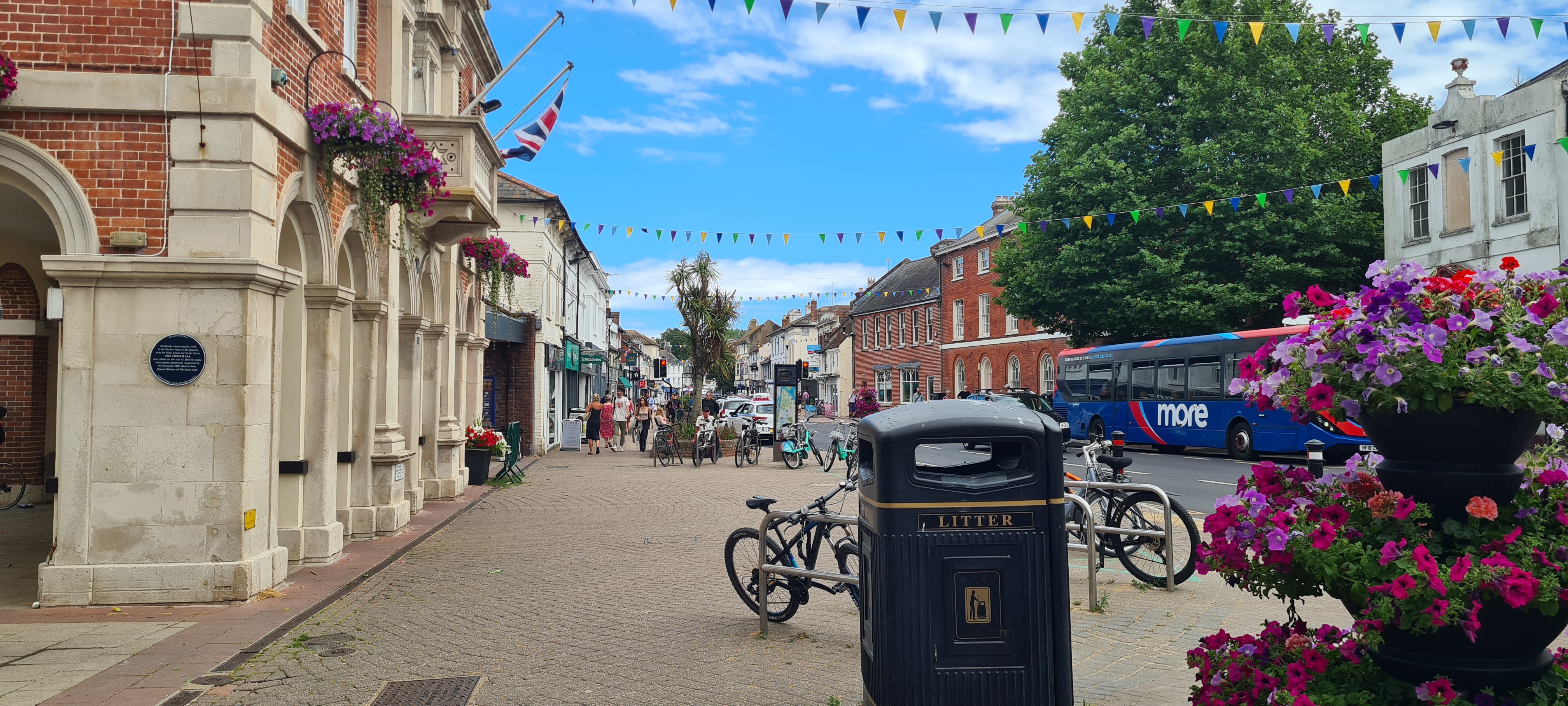
Bournemouth’s town centre and surrounding areas offer a wealth of sights for visitors. The elegant Victorian and Edwardian buildings of the town centre showcase its heritage as a purpose-built seaside resort, while the Lower, Central, and Upper Gardens — stretching from the town centre to the seafront — provide beautifully landscaped spaces perfect for walking or relaxing. The iconic Bournemouth Pier, with its traditional amusements and contemporary events, is a focal point of the coastline. Those interested in culture can enjoy performances at the Bournemouth Pavilion Theatre and the Shelley Theatre, or explore the Russell-Cotes Art Gallery & Museum, which houses an eclectic collection of paintings, sculptures, and artifacts collected by Sir Merton and Lady Russell-Cotes. We are planning to host the Illusion & Demo Night in this fantastic location, we will confirm after the paperwork is done.
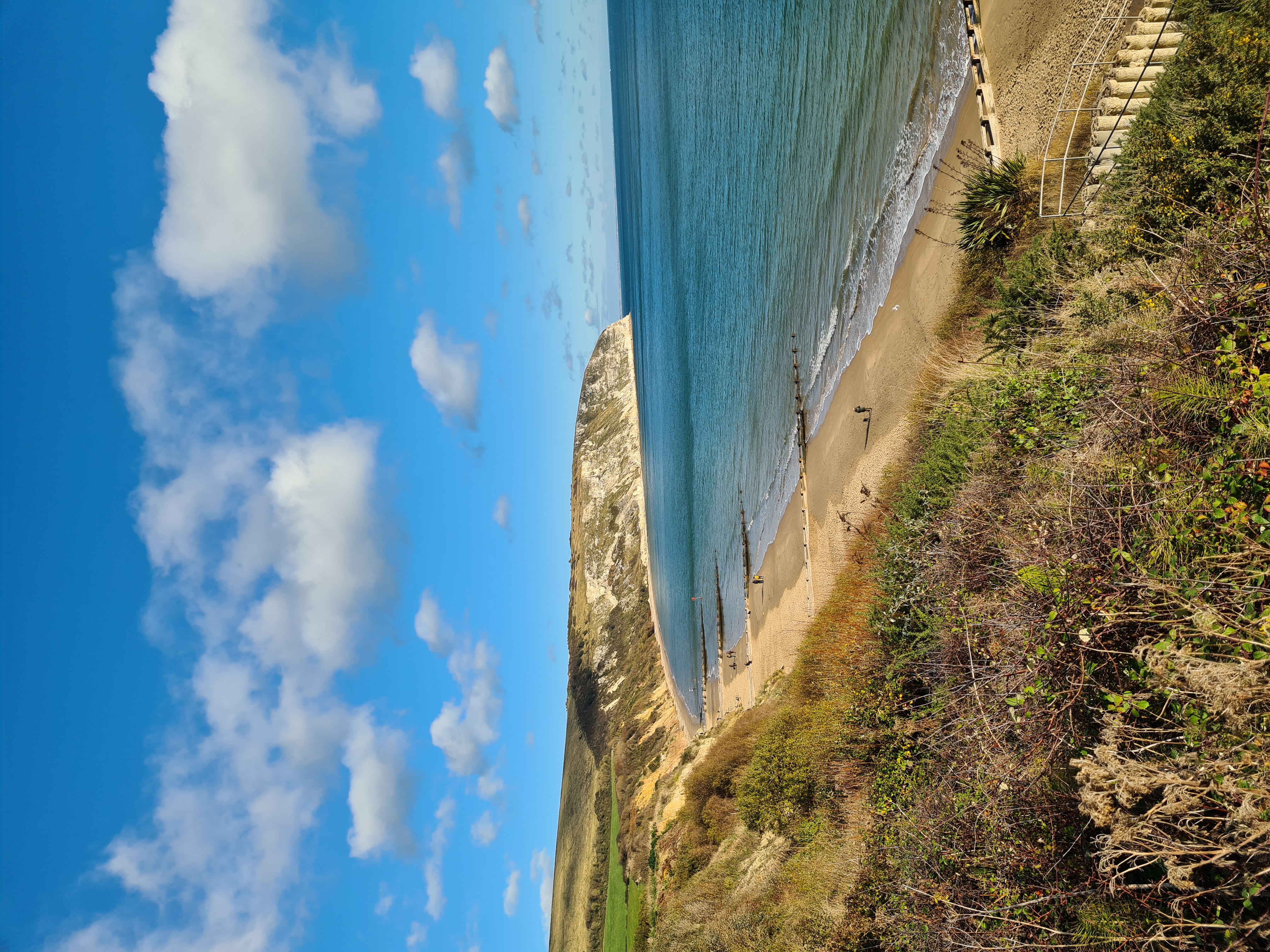
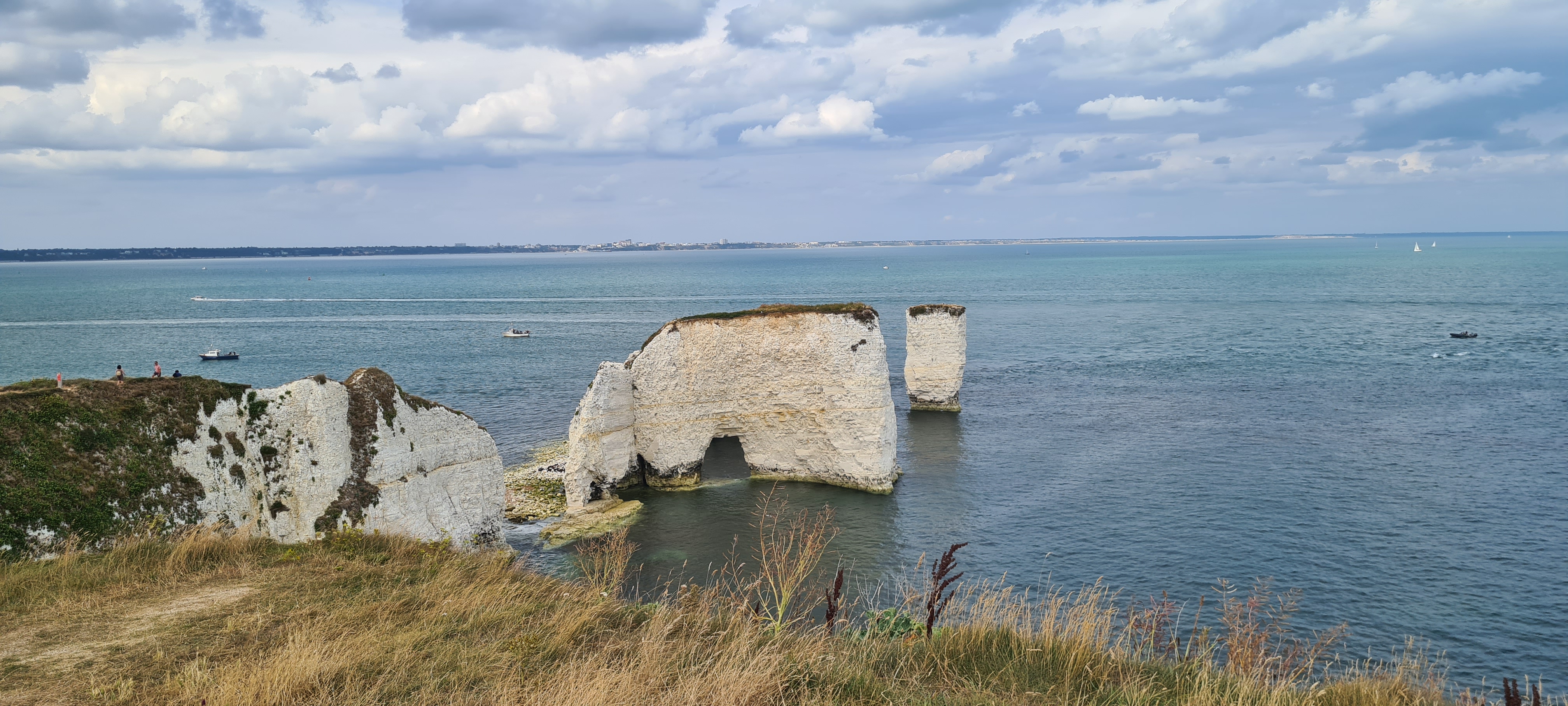
The area around Bournemouth also has much to offer. The Dorset countryside, including the Jurassic Coast — a UNESCO World Heritage Site — is famed for its dramatic cliffs, fossil-rich beaches, and picturesque villages such as Swanage and Lulworth. Brownsea Island, in Poole Harbour, is a tranquil haven of woodland, heath, and wildlife, including red squirrels, and is historically famous as the site where Robert Baden-Powell held the first experimental Boy Scout camp in 1907, marking the start of the global scouting movement. The New Forest National Park lies a short drive away, offering ancient woodlands, heathland, and wild ponies. Along the coast, the iconic chalk stacks of Old Harry Rocks rise above the sea, while nearby Corfe Castle — a dramatic medieval ruin — invites exploration of Dorset’s rich history. The historic town of Christchurch is particularly charming, with its 11th-century priory church, winding streets, and picturesque harbour. Its scenic river walks, quaint cafés, and traditional shops make Christchurch a perfect destination for leisurely exploration.
List of top attractions in Bournemouth:
- Bournemouth Pier: The iconic pier is a landmark of the town, offering traditional amusements, contemporary events, and stunning views over the sea. It is over 150 years old and provides a glimpse into Bournemouth’s seaside heritage.
- Bournemouth Old Town: The charming historic centre with its narrow streets, quaint cottages, and cozy squares invites leisurely exploration. St Peter’s Church, the town’s oldest church, and the quaint high street are particularly worth seeing
- Lower, Central, and Upper Gardens: These beautifully landscaped gardens stretch from the town centre to the seafront. They offer peaceful walks, seasonal flower displays, and are often the venue for concerts and festivals.
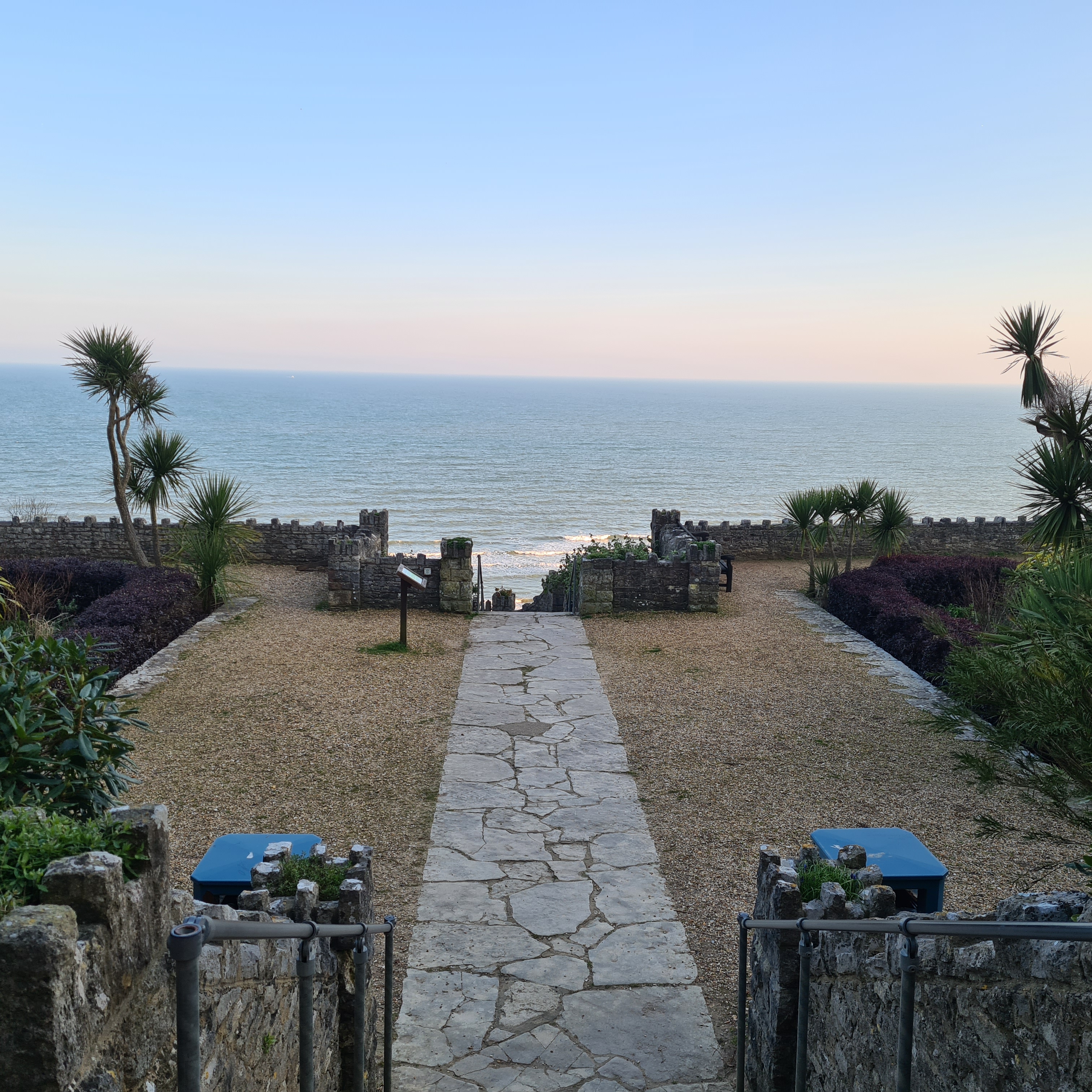
- Bournemouth Seafront and Beaches: The long sandy beaches and promenade provide an ideal place for walking, cycling, or simply relaxing. Many events take place here during the summer, from music festivals to beach sports.
Places to visit around Bournemouth:
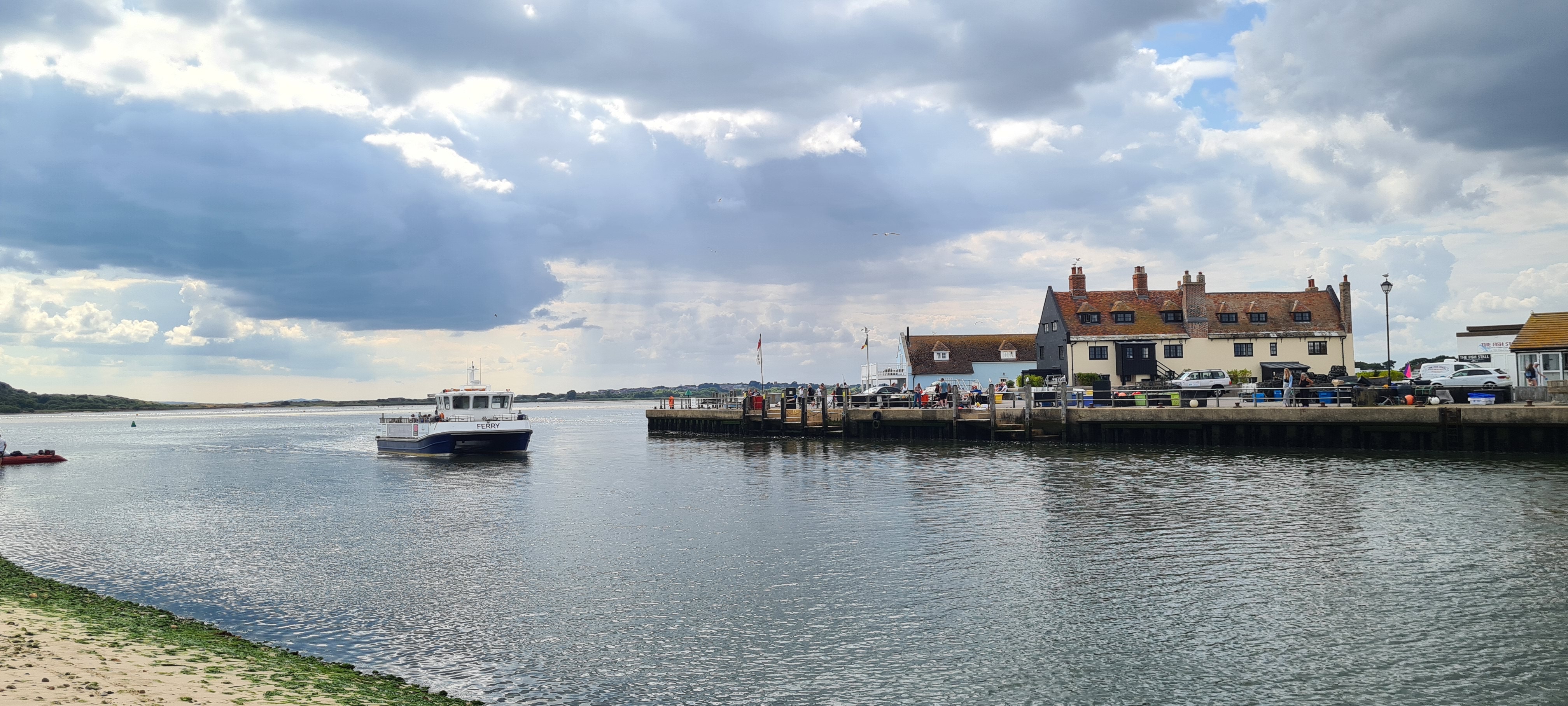
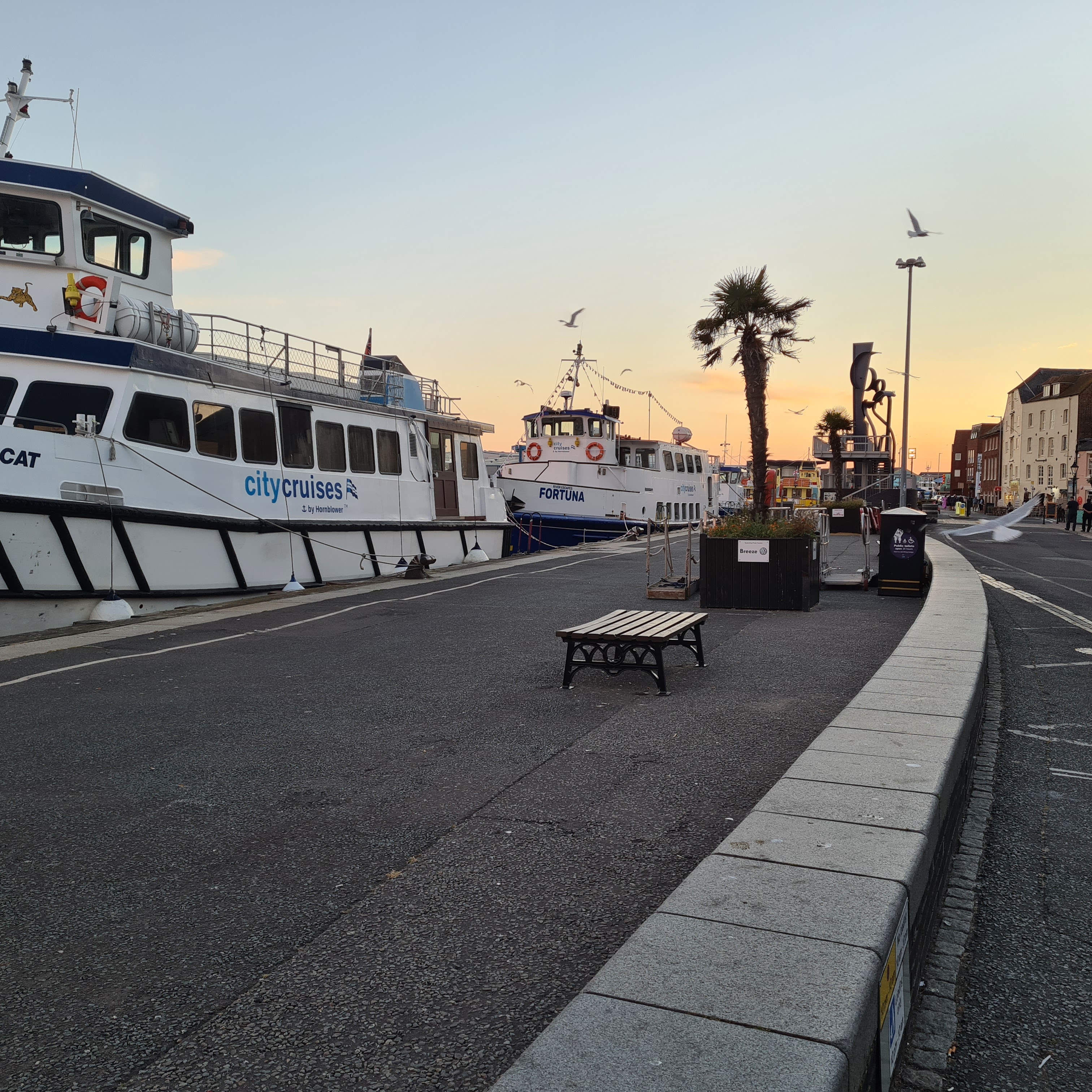
- Poole Quay and the Custom House: A historic waterfront complex, renowned for its charming maritime architecture and lively harbour atmosphere. Dating back to the 18th century, it reflects the town’s long history as a major port and fishing centre. Today, it serves as a vibrant hub for dining, events, and cultural activities, and is a popular starting point for boat trips to Brownsea Island and along the scenic Dorset coast.
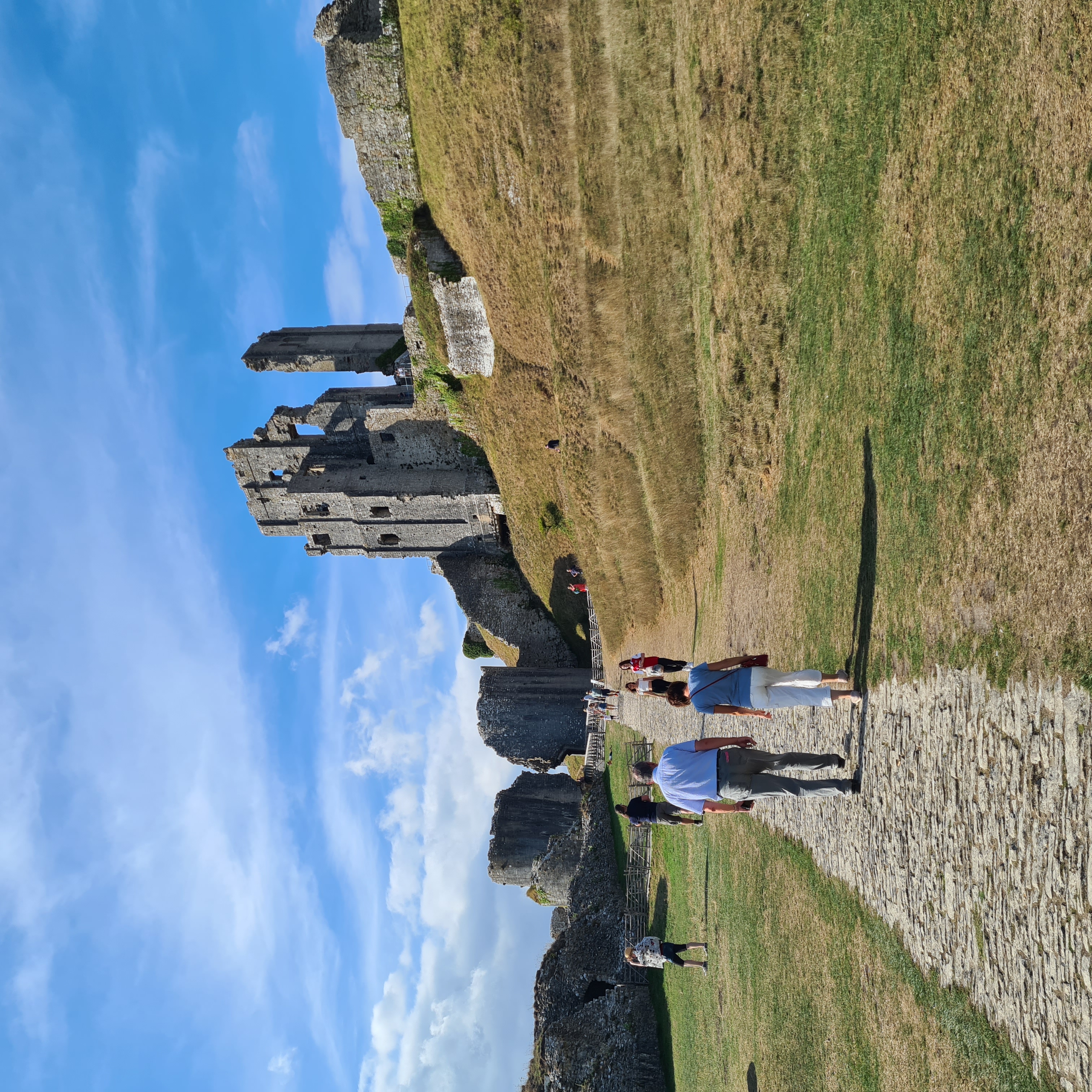
- Corfe Castle: A dramatic medieval ruin perched on a hill in the Dorset countryside, overlooking the surrounding village and valleys. Originally built in the 11th century, it played a key role in English history, including the English Civil War, and its partially destroyed walls still convey the power of its past. The castle is now managed by the National Trust and offers visitors the chance to explore its ramparts, towers, and dungeons, while enjoying panoramic views of the Purbeck Hills. Interactive exhibits and family activities make it a compelling destination for history enthusiasts and casual visitors alike.
- Christchurch: A historic town in Dorset, famed for its 11th-century priory church, winding streets, and picturesque harbour. The town combines rich history with natural beauty, offering scenic river walks, quaint cafés, and traditional shops. Christchurch’s charming old streets, bridges over the River Avon, and nearby beaches make it a delightful destination for both history enthusiasts and visitors seeking a peaceful riverside escape.
- Brownsea Island: A tranquil island in Poole Harbour, celebrated for its diverse wildlife, including rare red squirrels, and its rich natural habitats of woodland, heath, and salt marshes. The island is historically significant as the site where Robert Baden-Powell held the first experimental Boy Scout camp in 1907, marking the beginning of the global scouting movement. Accessible by ferry, Brownsea Island offers walking trails, wildlife watching, and a peaceful retreat from the mainland’s bustle, making it a popular destination for families and nature enthusiasts alike.
- The New Forest: A vast and ancient area of woodland, heathland, and grassland in southern England, renowned for its scenic beauty and free-roaming ponies. Established as a royal hunting ground by William the Conqueror in the 11th century, it retains much of its historic charm and traditional villages. Visitors can enjoy walking, cycling, horse riding, and wildlife watching, as well as exploring quaint towns and historic sites scattered throughout the forest, making it a perfect destination for nature lovers and those seeking outdoor adventures.
Do you want to know more about Bournemouth? Visit the city homepage for more information.
How to get to Bournemouth
- Bournemouth is well connected to London and London airports (Heathrow, Gatwick, City, Stansted, Luton) by train and coaches. For instance, you can travel just for £9.40* from London Victoria Coach Station to Bournemouth! Check out directly at National Express or use Trainline for a combined search for train & coach travel Trainline.
- If you are arriving at Heathrow Airport, you can use the Underground to reach London train and coach stations by tapping in and out with a contactless credit card (£4–£6 one way).
- If you’re looking for affordable flights, Bournemouth Airport and London Stansted Airport are both served by Ryanair and offer connections to a range of major European cities.
- Don’t want to fly – cross the Channel with a Eurostar train. For instance, you can travel from Paris to London just for £55*.
Tips
* Price based on 17/04 fares for connections on 22nd August.
By Air
Bournemouth is easily accessible from several airports. The closest is Bournemouth Airport (BOH), just 8 kilometers from the town centre, offering flights to a range of European destinations. For a wider selection of international flights, London Heathrow (LHR), London Gatwick (LGW), and Southampton Airport (SOU) are all within approximately two hours’ drive. London Stansted (STN), around three hours away, is served by Ryanair, providing additional budget flight options, while London City Airport (LCY), also about two hours’ drive, offers convenient connections to business destinations.
By Rail and Buses
Bournemouth has excellent transport connections to major cities in southern England and beyond. Direct trains run frequently to London, Southampton, and Winchester, while connections via Southampton or London provide access to the wider UK rail network, including fast services to major cities such as Birmingham, Manchester, and Edinburgh.
For local and regional bus travel, Morebus operates frequent services throughout Bournemouth, Poole, and Christchurch, while National Express provides long-distance coach connections to London, other major UK cities, and airports. Together, trains and buses make Bournemouth a convenient base for exploring Dorset, the south coast, and beyond.
By Car
Bournemouth is easily accessible by car via the A35, which runs along the south coast and connects the town to Poole, Dorchester, and beyond. The A338 links Bournemouth northwards to the M27 and M3 motorways, providing convenient access to Southampton, Winchester, and London.
Accommodation
Bournemouth, as a popular tourist destination, has plenty of hotels, many of them by the sea. We have reserved several of these hotels for ECVP delegates and have organised our own booking service to give you this advantage. These need to be booked by 19th August, otherwise they will be released to the public.